
Youth & scholastic athletics · Ages 10–18
Supervised athletic development for student athletes — speed, strength, coordination and confidence, taught progressively in sessions designed only for young people.
Young athletes never train unsupervised and never train alongside adult lifting sessions. Every session has a coach running it, a written plan and a fixed maximum group size. Loads are introduced only when technique is consistent, and training volume is planned around school, exams and the athlete’s competitive season.
/ Age groups
Young athletes mature at different rates. Our coaches group by age first, then adjust each athlete’s plan to their training age, growth stage and sport.
10–12
Learning to move well — and enjoying it.
Sessions are game-based and skill-heavy: running mechanics, jumping and landing, balance, crawling patterns and bodyweight strength. The goal is a broad movement vocabulary and a positive relationship with training.
13–15
Building a strength base safely.
Athletes learn the barbell and dumbbell versions of the foundation lifts with light loads and strict technique, alongside sprint mechanics, deceleration and change-of-direction work.
16–18
Sport-specific power, speed and resilience.
For older and more experienced athletes, training becomes more specific: progressive strength blocks, plyometrics and power work planned around pre-season, in-season and off-season periods.
/ Sports we support
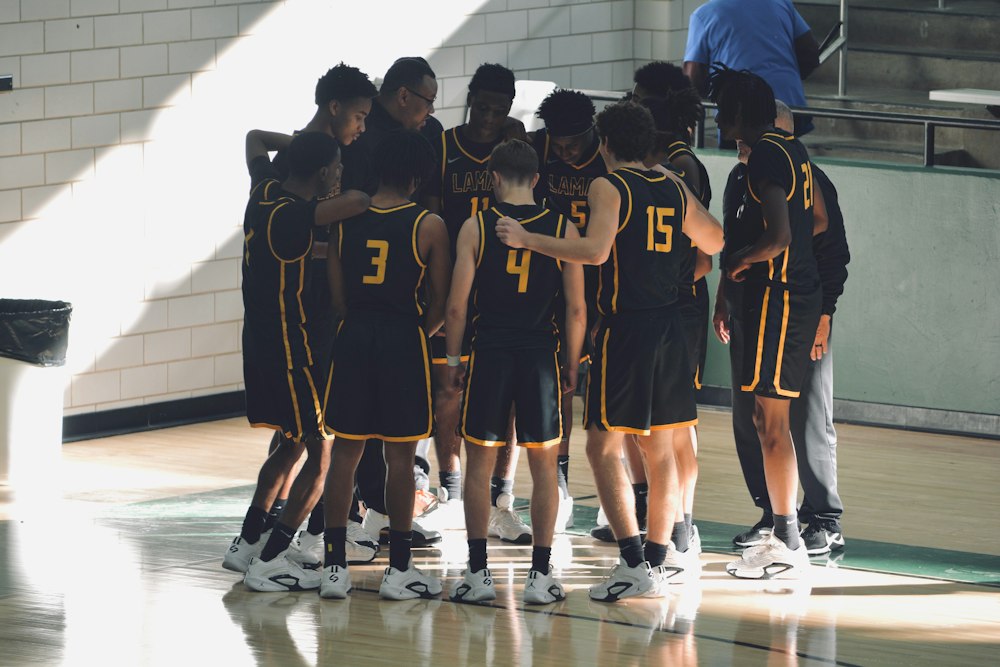
We don’t teach their sport — their coaches do that. We build the athlete underneath: the speed, strength and durability that make sport-specific skills easier to use under pressure.
Acceleration, repeated sprints and hamstring resilience.
Vertical jump, landing control and lateral speed.
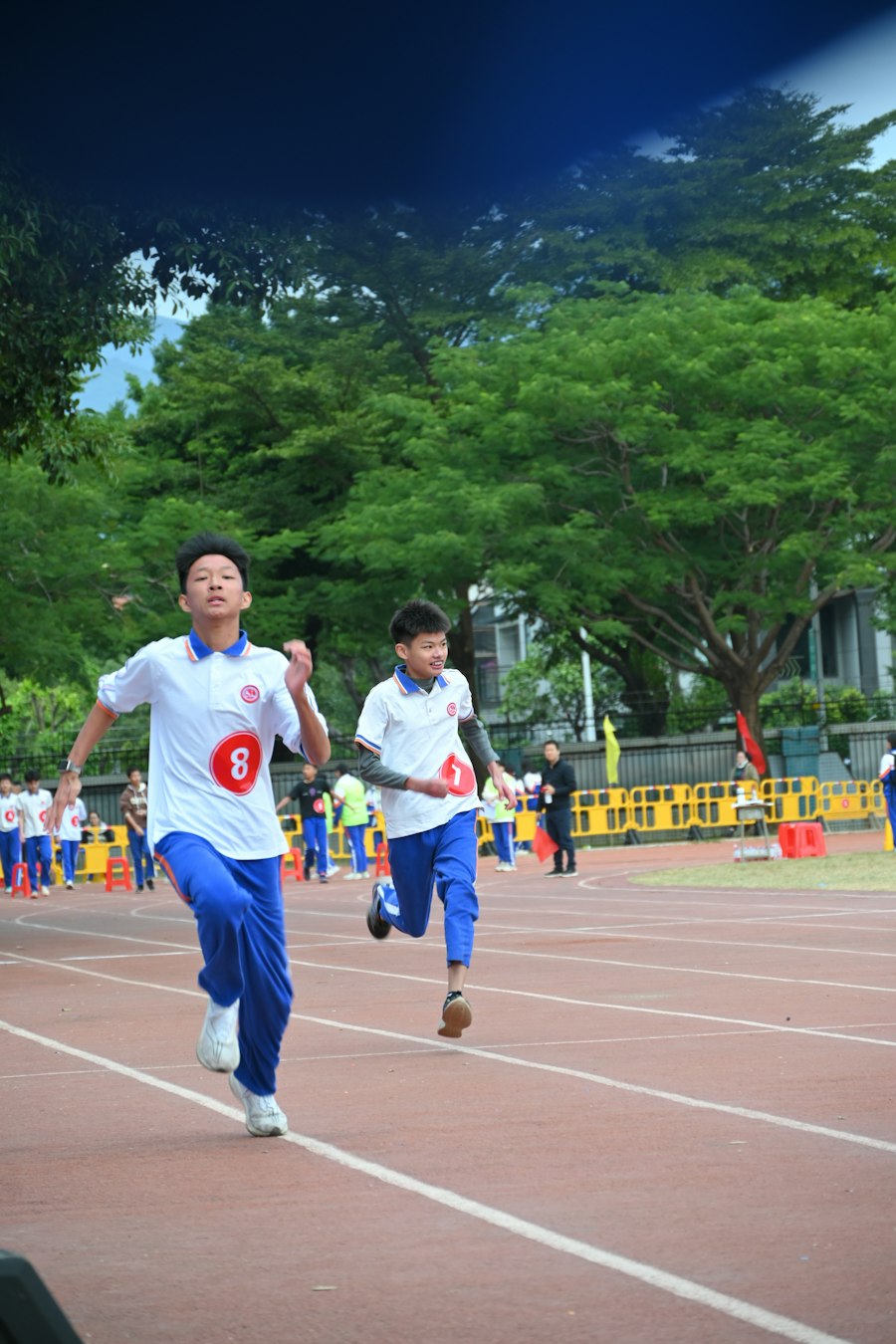
Sprint mechanics, starts and elastic power.
Rotational power, shoulder care and fast-bowling robustness.
Dryland strength, shoulder stability and core control.
Footwork, reactive agility and grip strength.
/ Parents, schools & clubs
The best youth programs are a team effort. When an athlete joins, we ask about their sport, their coach’s priorities, their match calendar and any previous injuries. That information shapes the plan.
Parents receive a short summary at the start of each training block explaining what we’re working on and why. Schools and clubs can arrange group programs for squads, with session times planned around their training and fixtures.
We also keep an eye on the whole athlete. Sleep, food, school pressure and growth spurts all affect training, so our coaches adjust sessions on the day and keep communication open with parents.
/ Season planning
The biggest window for building strength and fixing movement habits. Training volume is highest here.
Strength turns into speed and power. Conditioning ramps up to match the demands of the sport.
Short, efficient sessions that maintain strength and keep athletes fresh for matches.
Active rest, recovery and a review of the season before the next cycle starts.
/ Parent questions
If your question isn’t here, call or email the youth coach directly.
Properly supervised, age-appropriate strength training is widely recognised as safe and beneficial for young people. The key words are supervised and appropriate: technique comes first, loads rise slowly, and a coach is present for every session.
There is no good evidence that well-coached strength training harms growth. We still treat growth spurts carefully, reducing load and focusing on coordination when an athlete is growing quickly.
Yes. Most of our youth athletes start with no gym experience. The first sessions focus on movement quality, games and confidence.
We ask about previous injuries before the first session. If an athlete is injured, we adapt training and require clearance from a doctor or physiotherapist before returning to full sessions.
Yes. Parents are welcome to watch from the viewing area, and we’re happy to talk after the session.
Sports clothes, clean trainers, a water bottle and a small snack for after training. Phones stay in the lockers during sessions.
Free youth assessment
A 45-minute assessment covering movement, speed and strength — plus a conversation with the parent about goals, sport and schedule.